Food Packaging Innovations: What's Hot for Green Food Storage
The food packaging industry is moving toward greater sustainability. Sustainable alternatives to plastics and biodegradable solutions are growing in importance. Advances in reusable and intelligent packaging solutions are appearing, balancing practicality with reduced environmental impact. Simple, minimalist packaging designs are growing in popularity, prioritizing both function and visual appeal. As shoppers become more informed, businesses must keep pace with these emerging trends. The question remains: how will these trends reshape the future of food storage and impact consumer choices.
Why Biodegradable Materials Matter for a Sustainable Future
As concerns about the environment continue to rise, the need for biodegradable materials in food packaging becomes undeniably clear. Standard plastic packaging is a major contributor to worldwide pollution, taking centuries to decompose and harming wildlife. On the other hand, biodegradable materials present an eco-friendly alternative that naturally deteriorates, reducing landfill waste and environmental impact.
These substances, frequently sourced from renewable resources, not only reduce pollution but also promote a circular economy by returning vital nutrients to the soil. Breakthroughs in biodegradable packaging solutions, such as plant-derived films and compostable containers, are steadily gaining momentum among consumers and businesses alike.
Moreover, growing regulatory requirements and increasing consumer interest in eco-friendly alternatives are encouraging businesses to embrace sustainable practices. Through the adoption of biodegradable materials, the food packaging sector can play a vital role in mitigating climate change and fostering a healthier planet for future generations. This transition represents an essential move toward a more accountable and sustainable tomorrow.
Sustainable Substitutes for Single-Use Plastics: A Comparative Overview
As single-use plastics have controlled the food packaging landscape for many years, a increasing array of eco-friendly alternatives is developing as viable substitutes. Options including biodegradable films, compostable containers, and plant-based plastics provide promising options for decreasing environmental impact. Biodegradable films, commonly derived from starch or cellulose, decompose more rapidly in natural environments compared to traditional plastics. Compostable containers, made using renewable resources, offer a sustainable choice for foodservice settings, particularly in settings focused on minimizing waste. Moreover, plant-based plastics, such as polylactic acid (PLA), provide similar performance characteristics to conventional plastics while sourced from renewable materials. All alternatives demonstrate unique benefits and challenges, including cost, availability, and specific use cases. As consumer understanding grows, these environmentally conscious options are proving critical in the fight against plastic pollution, paving the way for a more sustainable future in food packaging.
Progress in Green Food Packaging: Reusable Approaches
Developments in environmentally conscious food packaging are increasingly focusing on reusable alternatives that reduce environmental impact. The growth of sustainable biodegradable resources is enhanced by the development of durable containers built for repeated use. Moreover, innovative design features improve usability, making these solutions simultaneously practical and attractive to consumers.
Biodegradable Materials Evolution
The move towards sustainable materials in food packaging is reshaping the industry, delivering eco-friendly options that address environmental concerns. Breakthroughs in bioplastics, derived from natural origins like corn starch and sugarcane, are gaining traction as they decompose more easily than traditional plastics. Such materials offer the necessary durability for food storage while also reducing landfill waste. Organizations are increasingly investing in research to improve the quality and accessibility of biodegradable options, appealing to eco-conscious consumers. Additionally, the rise of standards for compostable packaging is promoting openness and buyer confidence. As concern about environmental issues expands, the demand for biodegradable materials in food packaging is anticipated to grow, shaping a more sustainable future for the industry.
Durable Reusable Containers
As sustainability in food packaging continues to gain importance, long-lasting reusable containers are proving to be an effective answer to minimizing single-use waste. Built for extended use, permitting consumers to preserve and move food securely across many uses. Produced using materials including glass, stainless steel, and high-grade plastics, they endure frequent use and are typically dishwasher safe, offering added convenience. Transitioning to more durable choices demonstrates a widespread commitment to ecological responsibility, since they significantly reduce dependence on single-use packaging. Additionally, brands that adopt reusable containers often find increased customer loyalty, as consumers appreciate the eco-friendly choice. In the end, long-lasting reusable containers offer a sensible strategy for reducing environmental harm while improving food storage effectiveness.
Cutting-Edge Design Attributes
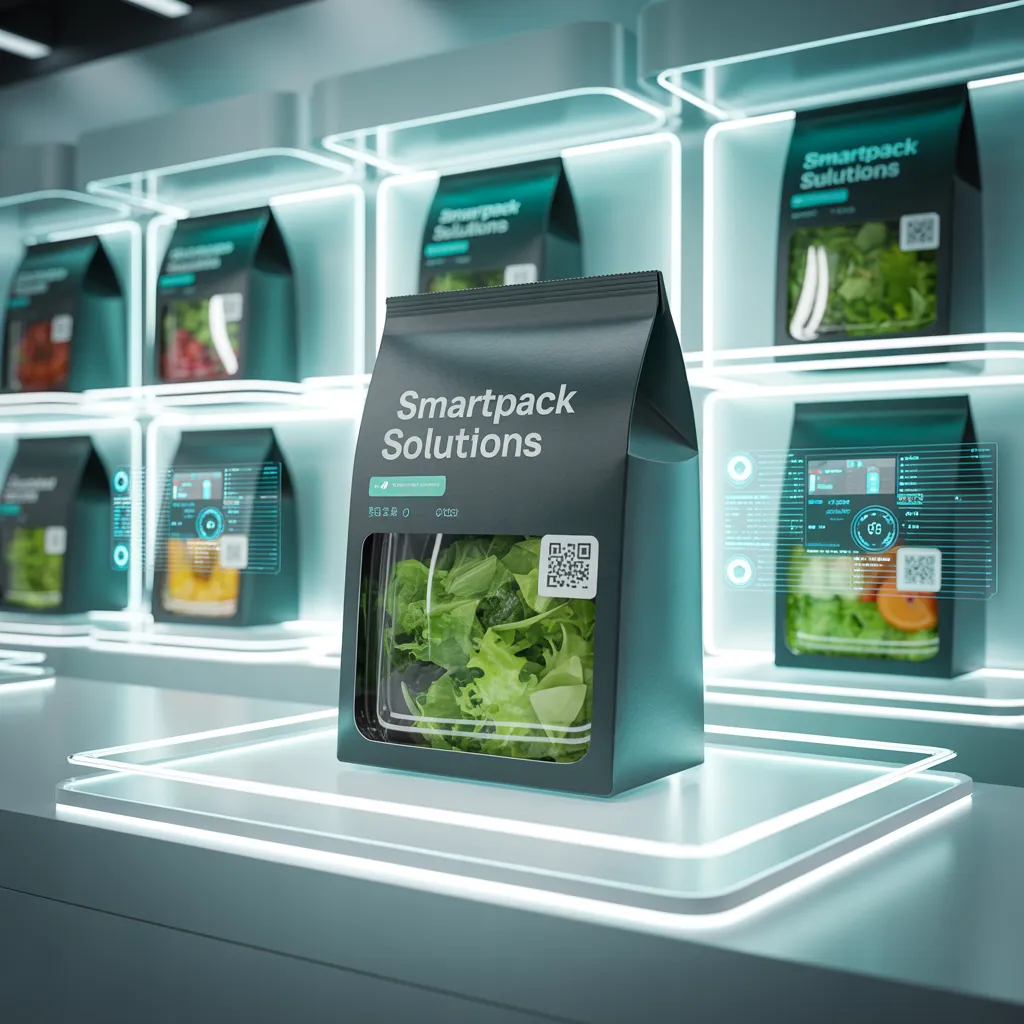
As sustainability emerges as a priority in food packaging, innovative design features are appearing that boost the functionality and attractiveness of reusable solutions. Contemporary reusable containers now integrate materials that are not only eco-friendly but also versatile, such as bioplastics and reclaimed fibers. Advanced sealing systems guarantee freshness while minimizing waste, and modular designs enable easy stacking and storage. Furthermore, many brands are incorporating smart technology, providing features such as QR codes for monitoring freshness or recipe suggestions. Consumer-friendly designs, such as collapsible or foldable alternatives, meet consumers' demands for convenience. These advancements not only encourage sustainability but also drive a shift in consumer habits towards more conscientious food storage practices, making reusable solutions increasingly attractive in today's market.
How Intelligent Packaging Solutions Improve Sustainability
While conventional packaging has associated resource long been linked to environmental issues, advanced packaging technologies are surfacing as a revolutionary solution that strengthens environmental responsibility. These sophisticated systems employ sensors and indicators to track product freshness, significantly minimizing food waste. By delivering up-to-the-minute information on spoilage, they empower consumers and retailers to make well-informed choices, effectively prolonging the shelf life of perishable products.
Furthermore, smart packaging can be designed utilizing sustainable materials and components that decrease the environmental effects. As an illustration, some technologies incorporate QR codes that support recycling by delivering detailed disposal instructions. This not only encourages conscientious consumer habits but also simplifies the recycling process.
In addition, the incorporation of smart packaging with supply chain operations improves effectiveness by tracking products from the point of origin to the point of sale. This visibility decreases unnecessary stockpiling and refines distribution. In summary, smart packaging reflects a innovative approach that aligns cutting-edge innovation with eco-friendly targets in the food production industry.
The Way Minimalist Design Cuts Down on Waste
Minimalistic food packaging design not only emphasizes simplicity but also plays a crucial role in reducing waste. By eliminating superfluous components, this type of packaging commonly demands less material overall, which has a direct impact on reducing resource consumption. This efficient methodology allows producers to develop lighter goods that offer greater ease during shipping, resulting in reduced carbon footprints during distribution.
Furthermore, minimalist designs often prioritize functionality, guaranteeing that packaging performs its intended function without superfluous elements. This focus on essential features reduces the likelihood of over-packaging, which is a significant contributor to environmental waste. Additionally, elegant yet uncomplicated designs can improve consumer appeal, championing the notion of sustainability without sacrificing aesthetic appeal.
As the sector increasingly moves toward environmentally conscious methods, minimalist packaging stands out as an effective answer that supports both sustainability targets and shopper demands, ultimately fostering a culture of sustainability within food storage.
Consumer Consciousness: Catalyzing Change in Sustainable Food Packaging
Public awareness has grown considerably in recent years, with approximately 66% of global consumers showing concern regarding the environmental impact of their purchases. This increased consciousness is reshaping the food packaging landscape, driving brands to embrace sustainable approaches. Consumers are increasingly seeking products with environmentally responsible packaging, driving companies to adopt biodegradable, compostable, or recyclable materials.
Furthermore, clarity has grown into an essential consideration; buyers are now gravitating toward businesses that transparently convey their environmental commitments. This change is driving producers to develop new approaches, focusing on minimalistic designs that reduce waste while maintaining product integrity. Therefore, the food sector is undergoing a significant transition toward more sustainable packaging alternatives.
At its core, consumer demand for sustainability is not just a fleeting movement; it is a profound shift that is influencing how goods are packaged and promoted, confirming that sustainability remains a driving force in industry operations.
Frequently Asked Questions
What Are the Costs Associated With Sustainable Food Packaging Options?
The financial considerations surrounding eco-friendly food packaging solutions often include increased material expenses, spending on cutting-edge technologies, and likely greater production expenditures. That said, long-term savings and environmental benefits could counterbalance these upfront expenses for companies.
How Do Consumers Influence Packaging Design Choices?
Shoppers greatly influence choices in packaging design by expressing preferences for aesthetics, sustainability, and convenience. The demand for environmentally friendly materials prompts businesses to adapt and innovate, guaranteeing that packaging fulfills both environmental standards and consumer expectations for functionality and visual appeal.
Are There Certifications for Sustainable Food Packaging Materials?
There are indeed various accreditations for environmentally conscious food packaging materials, including FSC, Cradle to Cradle, and BPI. These accreditations enable consumers to recognize sustainable alternatives, promoting responsible sourcing and reducing ecological impact.
What Role Do Government Regulations Play in Sustainable Packaging?
Government policies significantly impact sustainable packaging by creating frameworks that support eco-friendly materials, mandate recycling efforts, and encourage new developments. Such guidelines direct producers toward more sustainable methods, yielding positive outcomes for ecological and public health standards.
How Can Businesses Measure the Impact of Sustainable Packaging?
Businesses can quantify the effect of environmentally friendly packaging by monitoring metrics such as diminished carbon footprints, waste accumulation, buyer feedback, and lifecycle audits, permitting them to judge effectiveness and pursue informed upgrades to their packaging practices.